Choosing Between Newer And Historic Homes In St Augustine
May 7, 2026
May 7, 2026
If you are torn between a newer home and a historic one in St. Augustine, you are not alone. This is one of the few markets where that choice affects not just style and upkeep, but also permits, flood planning, parking, and how you live day to day. The good news is that once you understand the local tradeoffs, the right fit becomes much clearer. Let’s dive in.
In St. Augustine, the difference between newer and historic homes goes far beyond looks. The city has five Historic Preservation zoning districts and seven National Register historic districts, which means a home’s location and regulatory status can matter just as much as its age.
That matters because St. Augustine is shaped by a much older town plan than most Florida cities. The city notes that the downtown grid dates back to the late 1500s, with narrow streets and a layout originally built for foot traffic, horses, and carriages. In practical terms, that can mean tighter lots, limited parking, and a very different living experience than what you may find in newer parts of St. Johns County.
Climate also plays a big role in the decision. NOAA data for St. Augustine shows a mean annual temperature of 71.2°F and annual precipitation of 50.64 inches. St. Johns County also points to heavy rainfall, seasonal high tides, and coastal storms as major flood drivers, so both older and newer homes need to be evaluated with moisture and flood risk in mind.
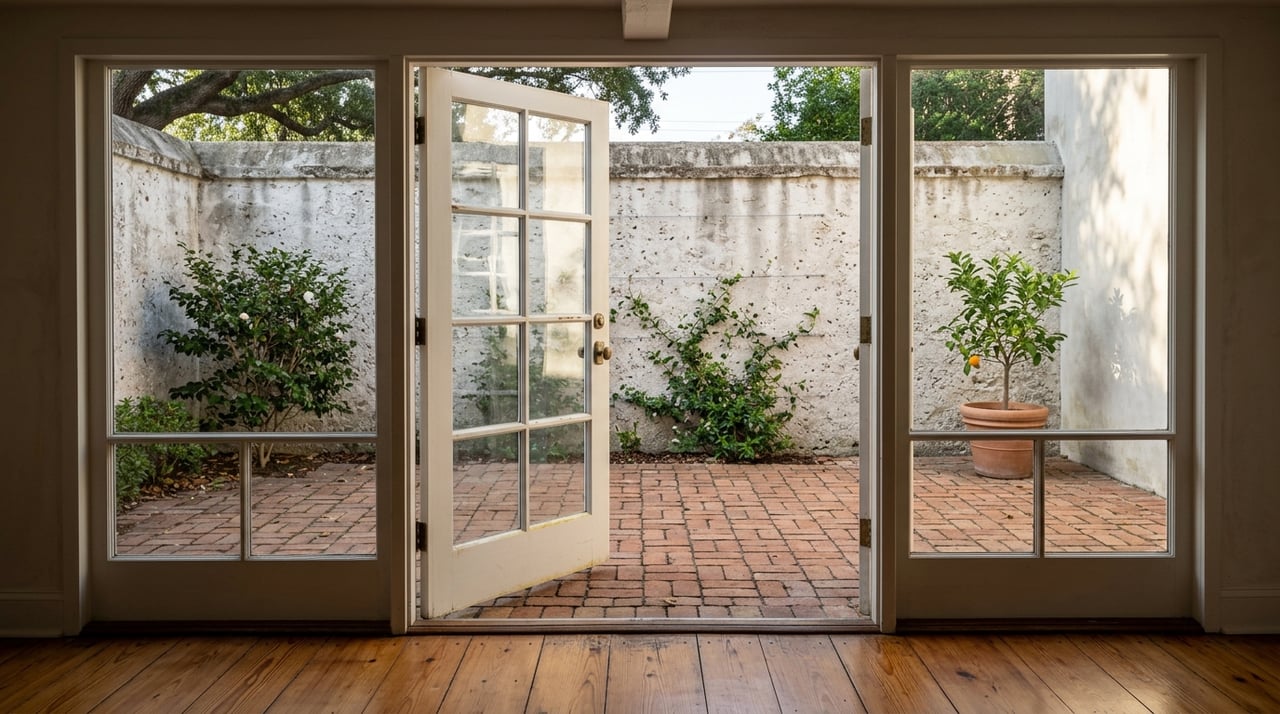
Historic homes offer something hard to copy: a direct connection to St. Augustine’s identity. The city highlights its colonial town plan, Spanish settlement history, and long-standing residential districts, so buying a historic home can feel like buying into the story of the city itself.
For many buyers, location is a major draw. Historic areas often offer a more compact, walkable setting with a stronger sense of place, especially in and around the older downtown neighborhoods. That can appeal to buyers who value character, convenience, and an environment that feels distinctly local.
Some historic properties may also qualify for preservation incentives. According to the City of St. Augustine, select properties can be eligible for a ten-year local ad valorem tax exemption on the increase in property taxes created by approved improvements. The city also notes that some rehabilitation work may qualify for building-code flexibility when the structure meets historic criteria.
The tradeoff with historic ownership is usually maintenance and process. Older homes often need more attention to moisture control, drainage, ventilation, and exterior upkeep, especially in a hot, wet coastal climate like St. Augustine’s.
That is important because moisture is a leading cause of deterioration in older buildings. Routine items such as gutters, downspouts, foliage management, drainage, and ventilation can have an outsized impact on how well a historic home holds up over time.
Heating and cooling also require thoughtful planning. In older homes, poorly planned system updates can affect indoor moisture, damage historic materials, or alter important interior features. If you are considering renovations, it helps to expect more coordination and more careful decision-making from the start.
In St. Augustine, some work on historic properties requires city review before it begins. The city says alterations or demolition in Historic Preservation zoning districts require review by HARB, the Historic Architectural Review Board.
That means your timeline may be longer if you plan to update exterior features, move structures, or take on major rehab work. The city also notes that projects facing HP-1, HP-2, or HP-3 areas may be subject to design review.
There is another local factor many buyers do not expect: archaeology review. Ground-disturbing work in mapped archaeology zones can require additional review, so projects like additions, major landscaping, or other site work may involve another layer of process.
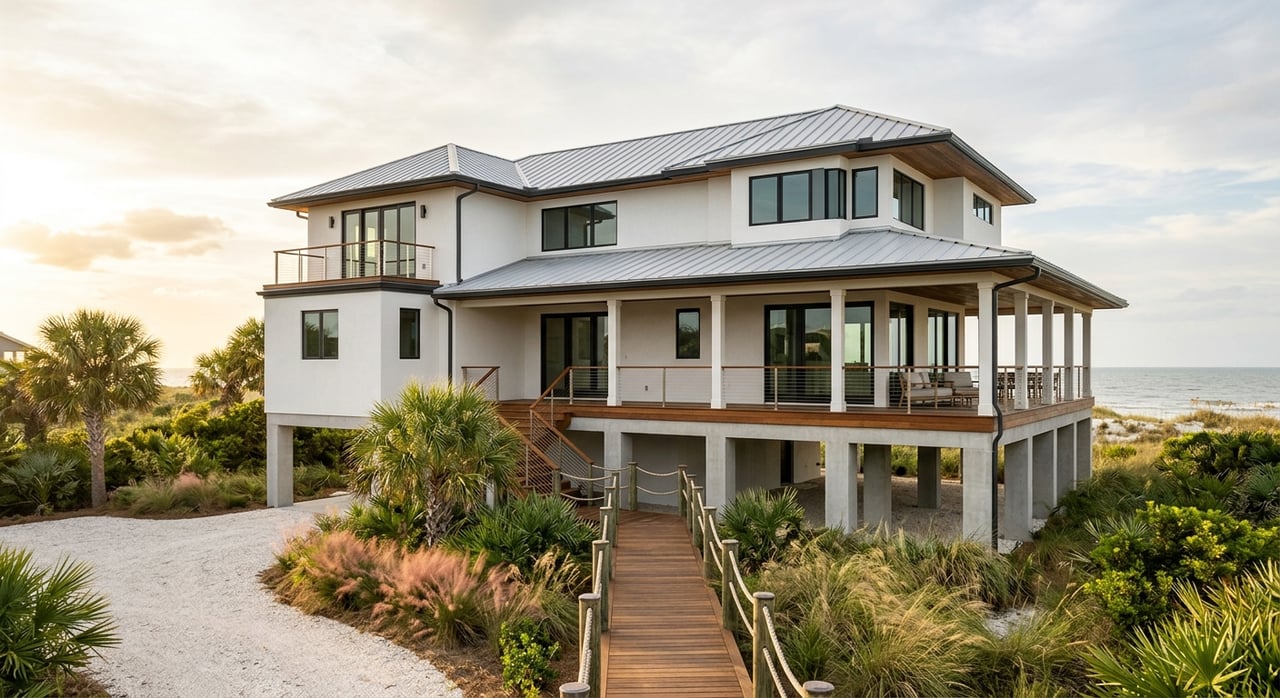
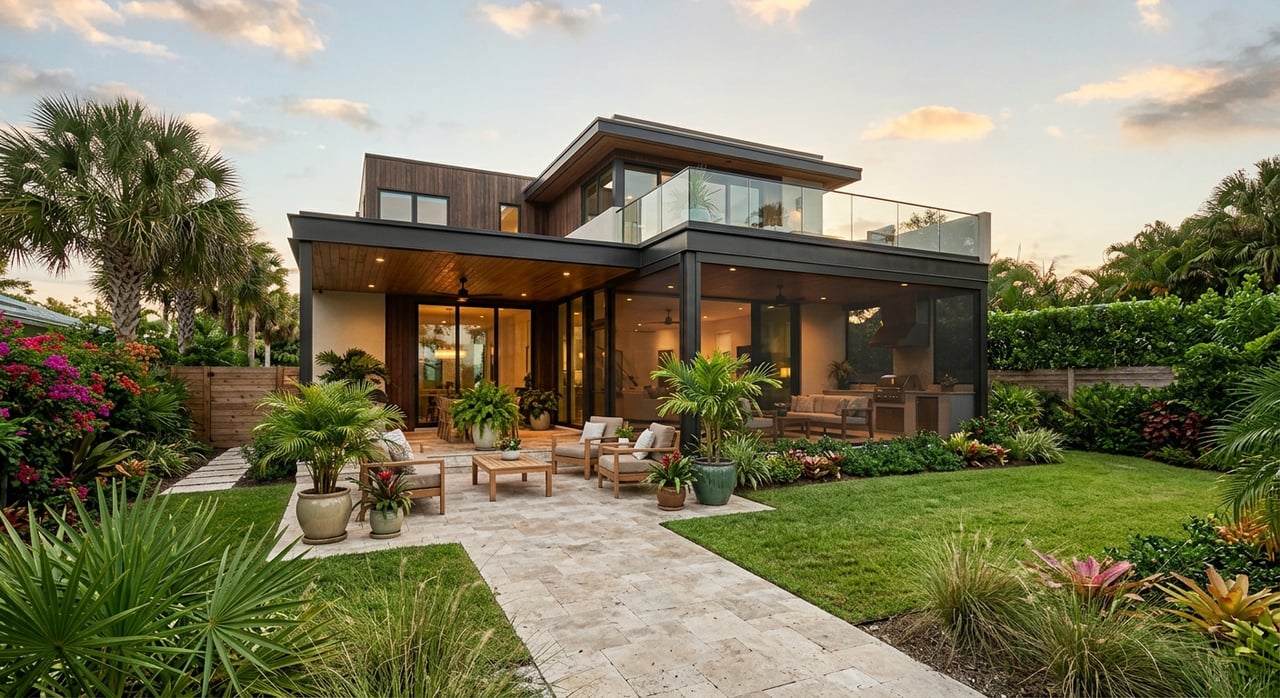
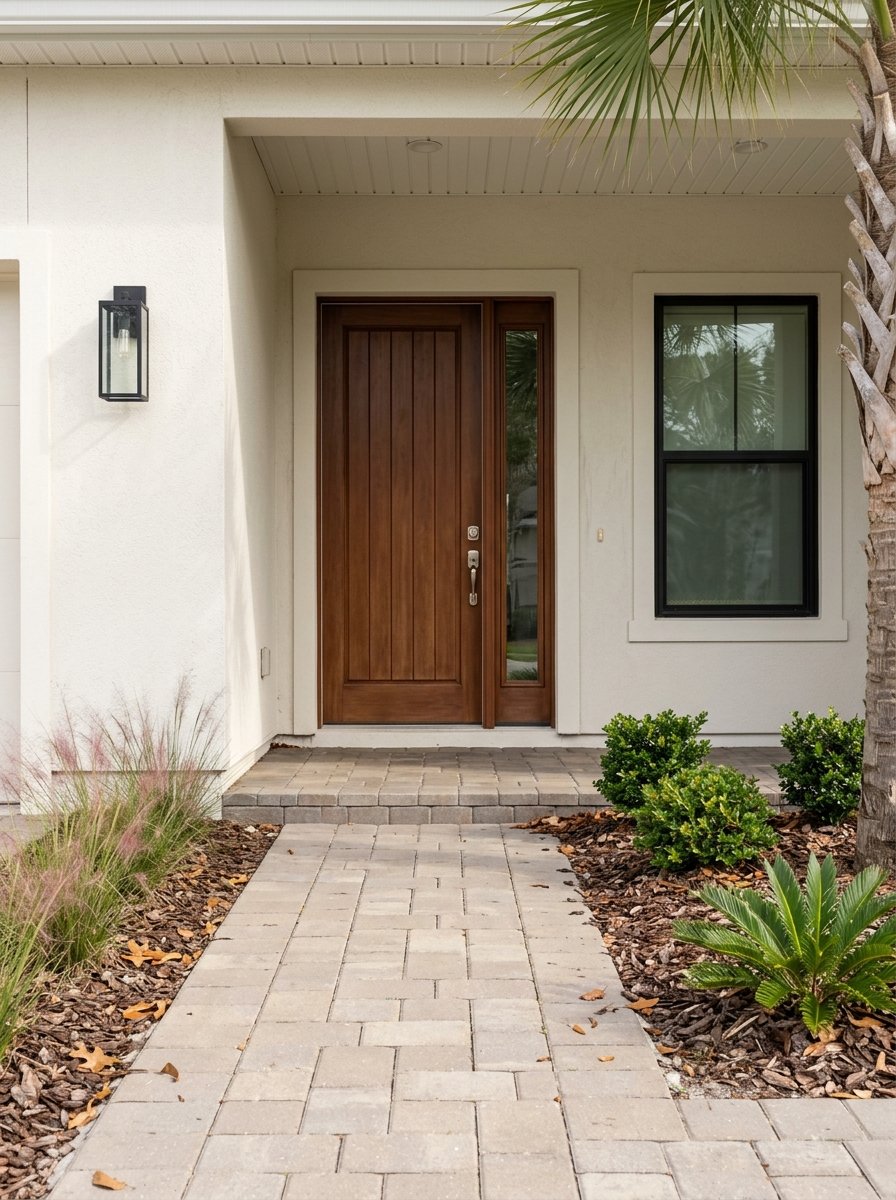
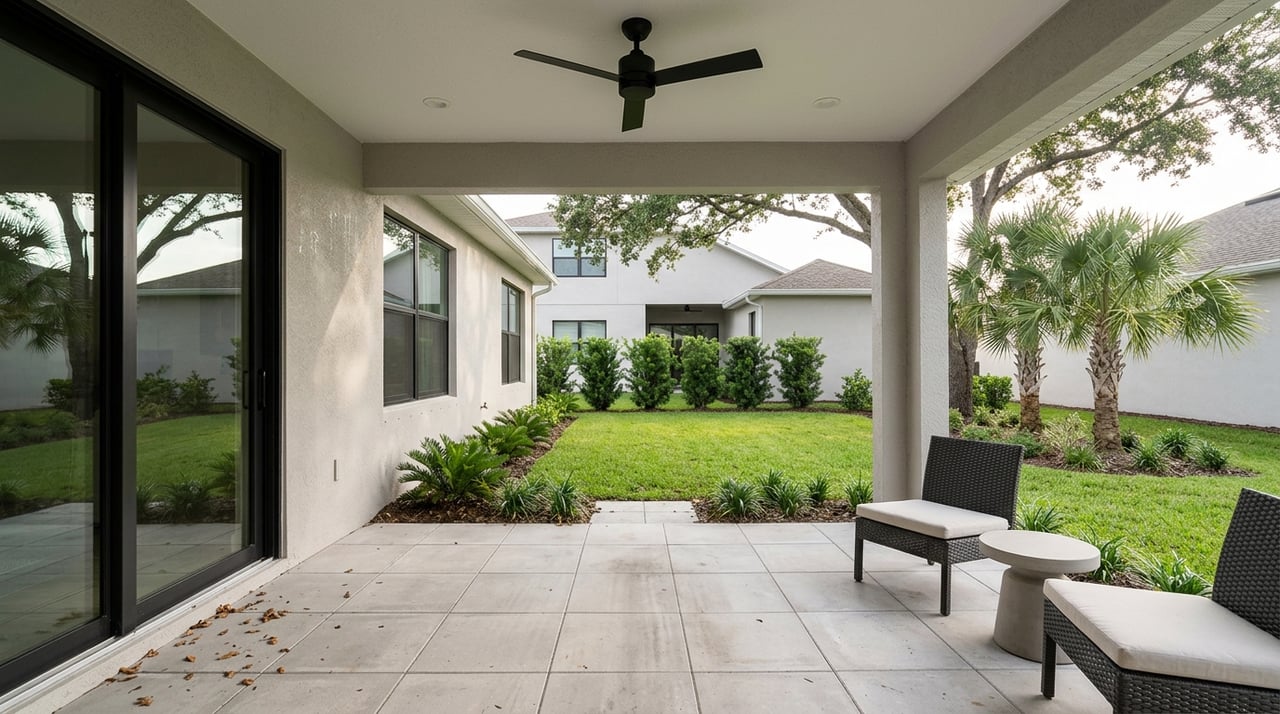
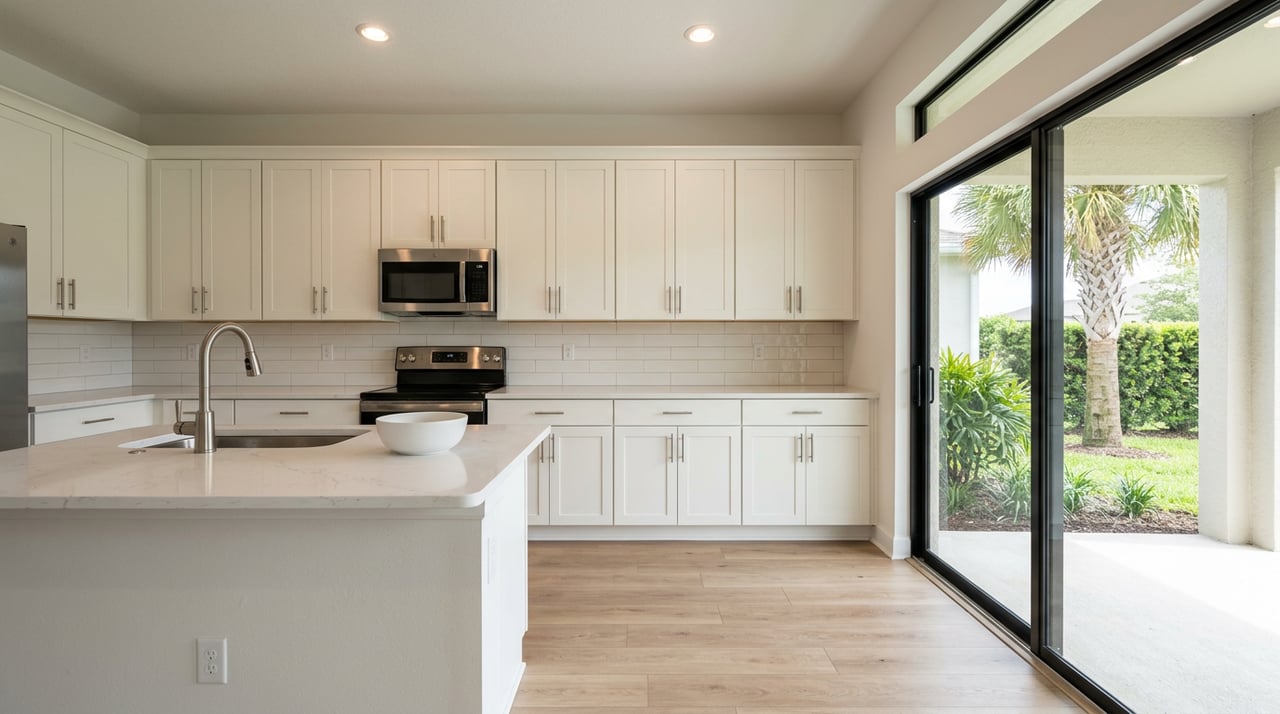
Newer homes usually appeal to buyers who want more predictability. If your priorities include modern systems, easier upkeep, and fewer preservation-related approvals, newer construction can feel much simpler to manage.
Code standards are part of that appeal. The Florida Building Commission states that the 8th Edition of the Florida Building Code became effective on December 31, 2023, and includes updated wind-load provisions tied to ASCE 7-22. For buyers, that generally means newer homes are more likely to reflect more current code-era assumptions for wind design and construction requirements.
Efficiency can also be easier to achieve in a newer home. In a hot, humid climate like St. Augustine, insulation, air sealing, efficient windows and doors, and humidity control all matter. New construction gives you a better chance of having those features built in from day one rather than added later.
The biggest tradeoff with newer homes is often character. While many buyers appreciate fresh finishes and modern layouts, newer properties usually do not offer the same architectural story or historic setting that defines much of St. Augustine’s appeal.
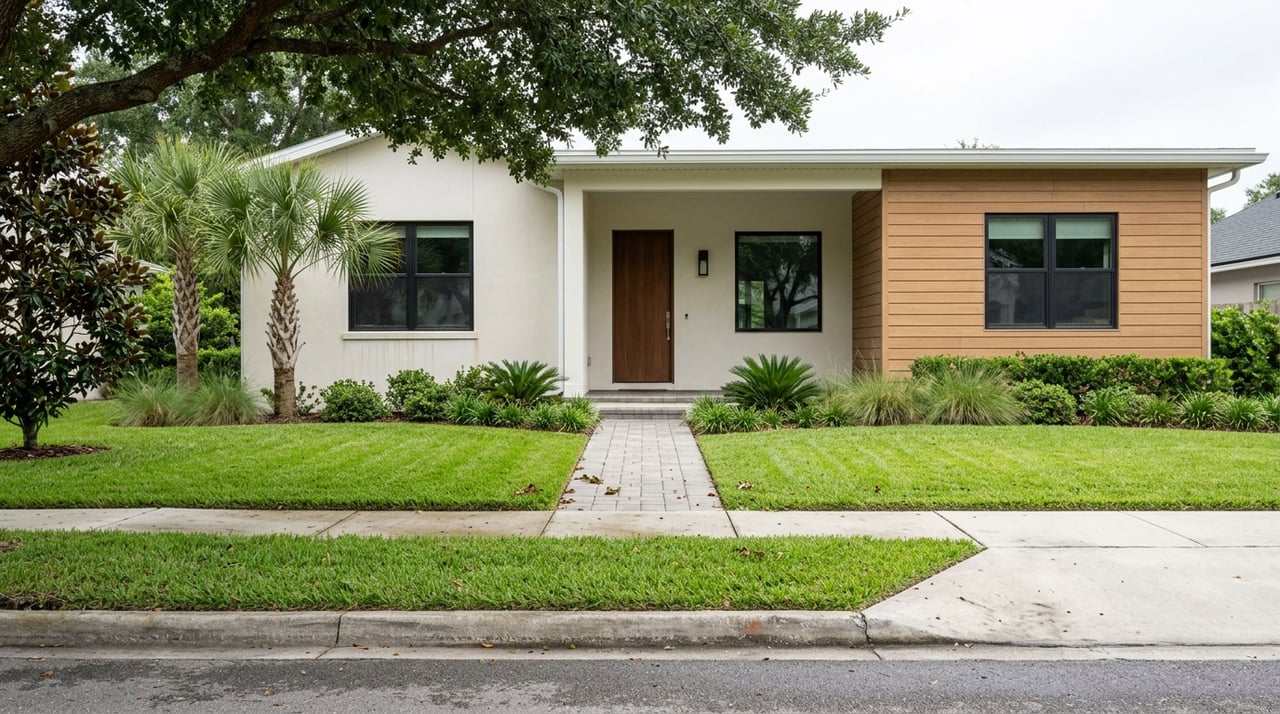
Location can feel different too. Outside the historic core and preservation districts, homes often sit in more vehicle-oriented settings with a different street pattern and daily rhythm. For some buyers, that is a plus. For others, it feels less connected to what makes St. Augustine special.
That is why this decision is so personal. If you picture yourself in a home with distinct local character and a one-of-a-kind setting, historic may feel worth the extra work. If you want fewer surprises and a more straightforward ownership experience, newer may fit better.
No matter which style you prefer, flood-zone review should happen early. The City of St. Augustine provides flood-zone maps and elevation-certificate information, and St. Johns County can help explain floodplain rules and FIRM determination letters.
This matters because flood risk is not limited to historic homes. Newer homes can also sit in areas with meaningful flood exposure, and flood insurance is separate from standard homeowners insurance. If a financed property is in a Special Flood Hazard Area, flood insurance rules may apply.
For buyers planning updates, floodplain rules can also affect renovation decisions. St. Johns County defines substantial improvement as work equal to or exceeding 50 percent of the structure’s market value before the project starts. That threshold can become especially important with older homes that need major work.
If you value character, history, and a more walkable setting, a historic home may be the better fit. You just need to be comfortable with more maintenance planning, more review steps, and the realities of owning an older structure in a humid coastal environment.
If you value predictable systems, easier energy performance, and fewer renovation hurdles, a newer home may make more sense. That path often works well for buyers who want a smoother ownership experience and a home that aligns with more current construction practices.
A practical way to compare your options is to ask yourself these questions:
In most cases, the right answer is not about which type of home is better overall. It is about which one fits your lifestyle, your budget for upkeep, and your comfort with process.
If you want a clear, step-by-step plan for comparing resale and new construction options in St. Augustine, Anthony James can help you sort through the details and move forward with confidence.
Stay up to date on the latest real estate trends.

Rooted in trust, expertise, and sincere dedication, Anthony brings a lifelong appreciation of what “home” means to every client and every move.