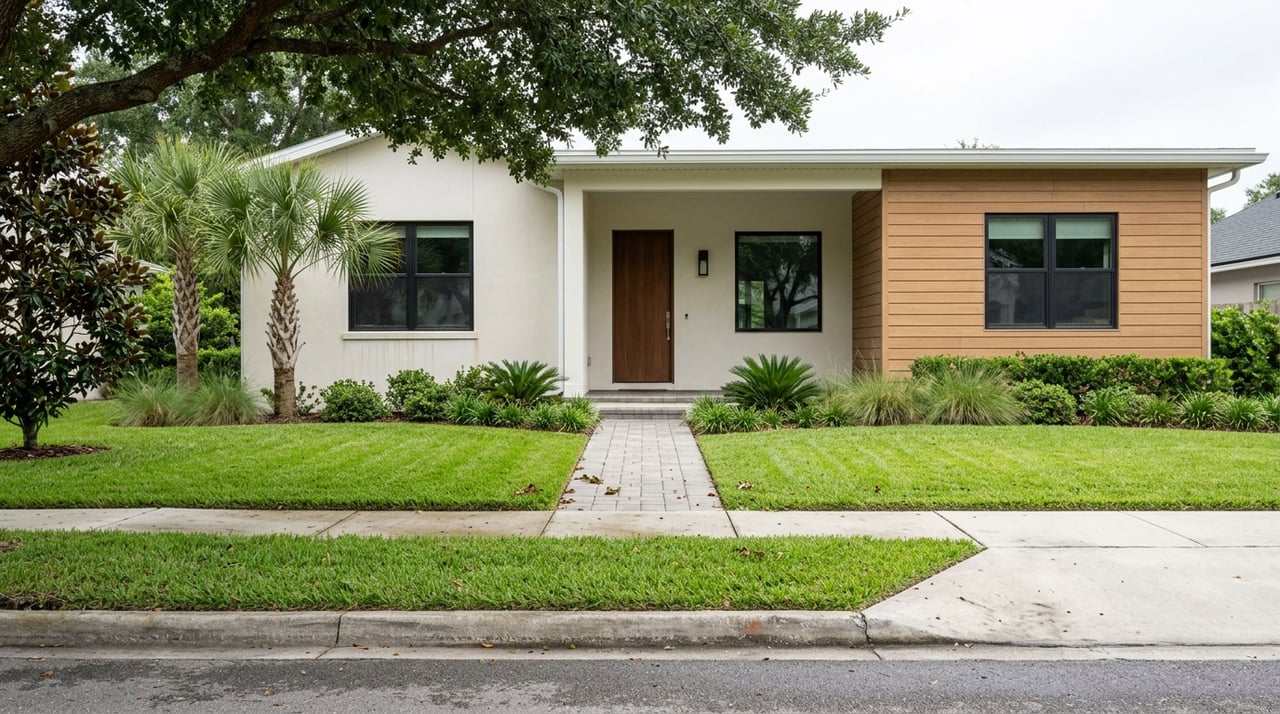
What Gainesville Suburban Living Feels Like
April 23, 2026
April 23, 2026
If you are thinking about life on the suburban side of Gainesville, you are probably asking a simple question: what does day-to-day living actually feel like? That matters whether you are relocating, buying your first home, or trying to find a neighborhood that fits your routine. Around Gainesville, suburban living often means easier drives, strong access to parks and trails, and a handful of lifestyle hubs where errands, dining, and weekends come together. Let’s dive in.
Gainesville offers a mix of city convenience and suburban breathing room. According to the U.S. Census Bureau, the city’s 2024 population estimate was 148,720, and the mean travel time to work was 18.8 minutes.
That helps explain why so many buyers look beyond the core city grid. You can often find neighborhoods that feel quieter and more spread out while still staying connected to work, shopping, dining, and outdoor recreation.
Another big part of the local lifestyle is the outdoors. Gainesville’s parks department manages 90 parks across 3,268 acres, which gives suburban households plenty of ways to build recreation into everyday life.
When people picture suburban Gainesville, west and southwest areas usually lead the conversation. The Alachua County Mobility Plan highlights places like Jonesville and Southwest Gainesville in its transportation strategy and identifies Town of Tioga as a traditional neighborhood development.
In practical terms, that means these areas are not just collections of homes. They are part of a broader pattern where village-style centers, road connections, and trail access help shape daily routines.
For many buyers, that blend is the appeal. You may have more room, neighborhood amenities, and easier access to outdoor spaces without feeling cut off from Gainesville’s major employment and commercial areas.
Haile Plantation is one of the clearest examples of a neighborhood-scale suburban lifestyle. The Haile Plantation Association describes the community as a wooded area with miles of trails, extensive natural surroundings, and close access to town.
That setup can support a routine that feels more connected and less rushed. You may spend part of the morning on neighborhood trails, then head to nearby shops or restaurants without a long cross-town drive.
A big weekend draw here is the Haile Farmers Market, held every Saturday from 8:30 a.m. to noon at 5213 SW 91st Terrace. The market features groceries, prepared food, handmade gifts, and easy access to brunching or shopping in Haile Village Center.
For buyers who want a suburban setting with a built-in gathering spot, this area often stands out. It offers a routine that can feel local and familiar, especially if you value walkable pockets within a broader car-friendly area.
Tioga Town Center is another key lifestyle hub on the west side. The Greater Gainesville Chamber describes it as a walkable mixed-use center with more than 35 businesses, along with restaurants, retail, office space, health and fitness, healthcare, and professional services.
That kind of setup can simplify your day. Instead of driving to several disconnected stops, you may be able to group errands, meet friends for dinner, or fit a workout into the same general area.
Jonesville also matters in the suburban conversation because of its location and transportation links. The county’s mobility planning includes express transit and park-and-ride service from outlying areas, and it specifically mentions Jonesville as part of that discussion.
If your goal is suburban convenience without complete dependence on one activity center, the Tioga and Jonesville side of the market can offer that balance. It feels connected to Gainesville while keeping a distinctly suburban pattern.
The Archer and Newberry corridors are also worth watching if you are comparing suburban lifestyles around Gainesville. These corridors line up with major shopping, dining, and commuter routes, and they continue to play a large role in how people move through the area.
The local dining scene supports that corridor-based lifestyle. Visit Gainesville’s dining guide organizes restaurants by areas such as I-75 Archer Rd., I-75 Newberry, I-75 Williston Rd., Downtown Gainesville, and surrounding areas, which shows how daily life is spread across multiple nodes rather than one central district.
That matters when you think about convenience. In many suburban parts of Gainesville, your regular routine may revolve around a familiar corridor where you handle groceries, dining, appointments, and other stops in one trip.
One reason suburban Gainesville appeals to so many buyers is that outdoor space is not just for special occasions. It often becomes part of weekly life, whether that means playground time, a quick trail walk, or a longer weekend outing.
The city’s park system includes places like Albert Ray Massey Park, which offers courts, fields, a community center, a pool, and 1.5 miles of shaded trails. Boulware Springs Nature Park is also notable because it serves as the trailhead for the 17-mile Gainesville-Hawthorne State Trail.
The county adds even more options outside the core city grid. Alachua County Parks and Open Space highlights places such as Rotary Park Jonesville, West End Community Park, Santa Fe Lake Park, Poe Spring Park, and a pocket park near Archer.
These spaces support a flexible suburban lifestyle. You can keep things simple with a neighborhood playground trip, or you can plan a bigger Saturday around kayaking, trails, pickleball, or picnic space.
Suburban Gainesville also benefits from larger natural areas nearby. These destinations help reinforce the region’s outdoorsy identity and give you more options when you want something beyond the neighborhood park.
The Florida State Parks system highlights San Felasco Hammock Preserve State Park for hiking, off-road biking, horseback riding, and single-track trails. Paynes Prairie Visitor Center offers interpretive exhibits, wild horses, and a 50-foot observation tower, while Dudley Farm Historic State Park in Newberry adds a working-farm setting with picnic-friendly grounds and a nature trail.
For many households, that easy access to nature is a real quality-of-life factor. It gives you options for both routine recreation and spontaneous weekend plans.
A suburban lifestyle works best when daily tasks feel manageable. Around Gainesville, library branches and neighborhood-scale amenities help make routines more local.
The Alachua County Library District lists branches in Archer, Millhopper, Newberry, Tower Road, and several Gainesville neighborhood locations. That can make a difference if you want practical access to books, study space, programs, or a quick stop during the week.
Gainesville also supports community gardens, including the Southwest Community Garden. These smaller amenities may not drive a home search by themselves, but they do add to the rhythm of neighborhood life.
Suburban Gainesville is still largely car-oriented. The Florida Department of Health’s FLHealthCharts dashboard reports that 68% of Alachua County workers drove alone to work in 2024.
That lines up with what many buyers experience on the ground. You can often reach work, shopping, and recreation without a long commute, but driving remains central to how most households move around.
Transit is present, though it tends to play a supporting role rather than replace driving entirely. The county mobility plan includes express transit and park-and-ride opportunities, and the county also announced RTS Route 52 from Jonesville to UF Health through its broader transit efforts described in the mobility planning materials.
Road improvements also shape the experience. The city’s SW 62nd Boulevard Connector project was designed to improve flow on Newberry Road and Archer Road, which shows how commute convenience remains part of the suburban conversation.
If you want to picture the lifestyle in practical terms, imagine a Saturday built around short drives and outdoor time. You might start with a walk or bike ride, stop by a farmers market, run a few errands, and finish with lunch or dinner in one of the west-side centers.
In southwest Gainesville, that could mean trails in the morning and the Haile Farmers Market before noon. In the Tioga area, it could look more like a coffee stop, a few errands, and dinner in a walkable mixed-use center.
For households who like variety, the region makes that easy. You have neighborhood parks for simple plans and larger county or state park destinations when you want a bigger outing.
Not every suburban pocket around Gainesville feels the same. Some areas are better described as walkable in sections, while others are more clearly car-dependent.
Haile Village Center and Tioga Town Center are two of the strongest examples of suburban areas with walkable elements. They offer concentrated dining, shopping, and services in a way that can make part of your day feel more connected on foot.
By contrast, many other suburban areas still depend heavily on driving between home, work, schools, and errands. That does not make them less appealing, but it does mean you should match the area to your preferred routine.
When you compare suburban neighborhoods around Gainesville, it helps to think beyond the house itself. Look at where you will get groceries, how you will spend Saturday mornings, what your drive will feel like, and how often you want nearby access to parks or trails.
The strongest suburban lifestyle areas often combine three things: convenience, outdoor access, and a local routine that feels easy to maintain. In Gainesville, that is why places like Haile Plantation, Tioga, Jonesville, and the Archer and Newberry corridors come up so often.
If you want help narrowing down which area best fits your pace of life, your commute, and your home goals, connect with Anthony James. You will get steady guidance and a clear plan as you explore the neighborhoods that fit you best.
Stay up to date on the latest real estate trends.


Rooted in trust, expertise, and sincere dedication, Anthony brings a lifelong appreciation of what “home” means to every client and every move.