
Best Jacksonville Commuter Neighborhoods for Professionals
March 5, 2026
March 5, 2026
Rushing between early meetings, client calls, and school pick-ups can make your commute the most stressful part of your day. If you are moving to Jacksonville or thinking about a change, picking the right neighborhood can save you time and give you back a calmer morning routine. You will see how commute corridors, bridges, and job centers shape daily drive times, and which neighborhoods fit busy professionals best.
In this guide, you will learn how Jacksonville really moves, what typical drive times look like, and which neighborhoods offer the best balance of convenience, lifestyle, and price. You will also get quick checklists and tips to confirm the right fit for your job location. Let’s dive in.
Jacksonville is a car-forward city. Most commuters drive, and county summaries show a high drive-alone rate for Duval County. You can review those county profiles on sources like City-Data’s Duval County overview. The regional mean commute time sits around 24 minutes based on the American Community Survey series in FRED’s Duval County dataset.
Transit is improving in targeted corridors. The First Coast Flyer bus rapid transit lines run on several major routes, and the downtown Skyway helps with short hops in the core. For many suburban trips, expect mixed-mode travel, such as park-and-ride plus bus. You can read more about the Flyer corridors in Mass Transit Magazine’s coverage of the BRT network.
Jacksonville’s job centers are not only downtown. The central business district still anchors thousands of jobs, and ongoing investment is reshaping the core. You can track projects through the Downtown Investment Authority’s news and updates. Secondary job hubs include Southside’s Deerwood and Town Center corridor, major healthcare campuses, and logistics employers.
Your fastest routes often follow three major highways and several river crossings:
Living close to these corridors or key bridges is the simplest way to trim minutes off your daily drive, especially during peak periods.
If you work in the central business district, living downtown gives you the shortest commute of all. You can often walk, bike, or take the Skyway to the office. The area continues to see new residential and mixed-use development, which you can follow through DIA’s downtown updates.
Housing includes condos, new mixed-use buildings, and some adaptive re-use lofts. Expect smaller footprints and HOA fees for convenience and proximity. The tradeoff is premium access to jobs, riverfront parks, and events.
Riverside and Avondale sit just west of downtown and offer a short drive or bike ride into the core, often within 5 to 15 minutes depending on time of day and route. The neighborhood is known for historic homes, leafy streets, and an active local dining and retail scene highlighted by Riverside Avondale Preservation.
Many buyers choose these areas for walkability and character. You will find Craftsman bungalows and early 20th-century homes with a range of updates. Older homes can come with higher maintenance, and parking can be tight on some streets near riverfront blocks.
San Marco offers a village-like square with restaurants, shops, and quick access to downtown via nearby bridge crossings. The location works well for Southbank employers and downtown offices, and you can read about Jacksonville’s bridge network in Visit Jacksonville’s guide.
Housing ranges from Mediterranean-style and historic single-family homes to townhomes and condos. Redfin neighborhood snapshots in January 2026 placed median sale prices for San Marco in the low to mid 300s, with wide variation by block and renovation level.
These close-in neighborhoods appeal to buyers who want a short commute with a lower purchase price. Expect a 10 to 20 minute drive to the core depending on your route. Springfield features historic homes at a range of finish levels. You can explore the neighborhood overview on Homes.com’s Springfield page.
Prices here often run in the mid to upper 200s through the mid 300s, depending on the home and location. The tradeoff is more variation block to block, along with ongoing renovation activity.
If your job is in insurance, finance, tech, or at a corporate campus near UNF and Town Center, living in Southside shortens your daily drive. The area is close to I-95, I-295, and JTB, which streamlines regional commutes. Florida Blue and other large employers anchor this corridor, as noted by the Florida Blue Foundation.
Housing includes newer subdivisions, gated communities, townhomes, and single-family homes near shopping and medical centers. The tradeoff is lower walkability in exchange for newer construction and quick freeway access.
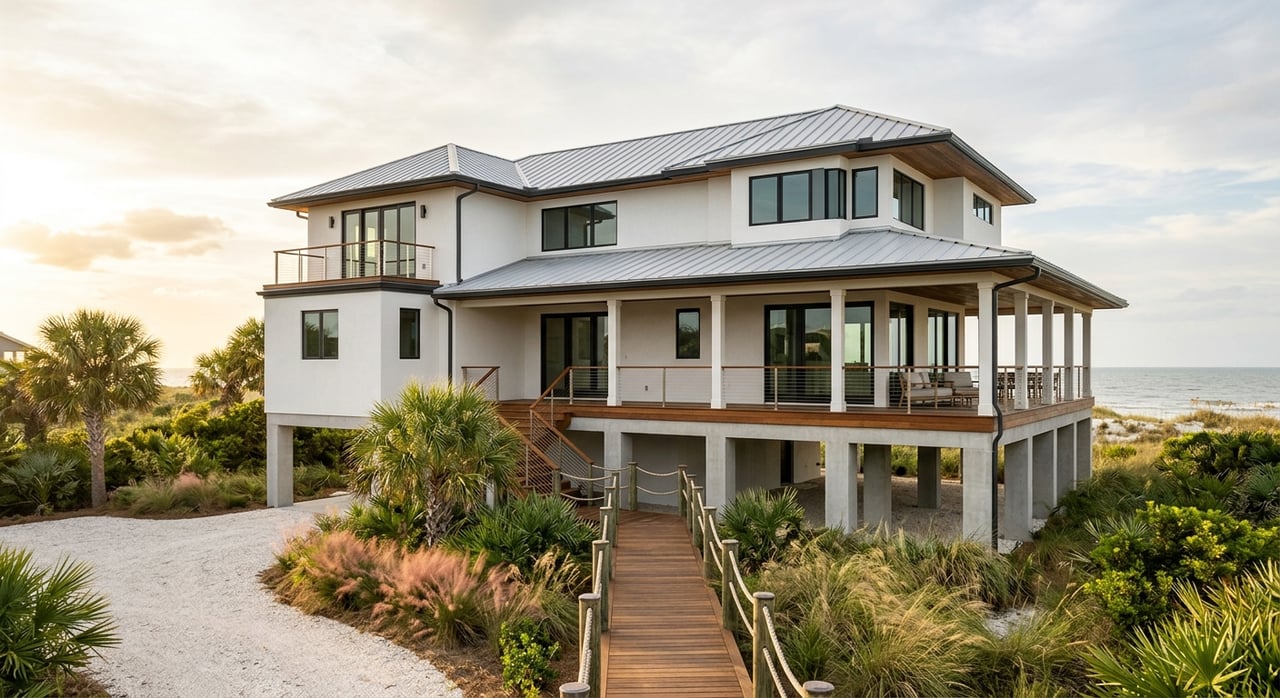
If ocean access matters, the Beaches deliver a strong lifestyle with easy morning surf or evening walks by the water. Typical drives to downtown range from about 20 to 40 minutes based on traffic and your chosen bridge or JTB connection.
Home values at the Beaches are usually higher than the citywide median, with a mix of condos, cottages, and luxury homes. The tradeoff is a longer commute for many downtown roles, especially during peak traffic or event weekends.
Mandarin and Ortega offer larger lots, river access in some areas, and a more traditional residential feel. Commutes to Southside jobs can be reasonable through I-295 and the Buckman Bridge, while drives to the core are longer. For bridge context, see Visit Jacksonville’s bridge overview.
Expect a mix of historic properties and larger single-family homes. You trade a bit more time in the car for space, privacy, and established neighborhoods.
Market numbers shift every month, so always re-check current data before you decide. As a baseline, Redfin’s citywide snapshot for January 2026 placed the Jacksonville median sale price near $282,000. Neighborhood medians vary widely. Recent snapshots showed Riverside around $474,000, Avondale near $532,000, San Marco near $324,000, and Springfield in the mid 300s.
What this means for you:
Always verify active comps and trends when you are ready to write an offer.
If your commute aligns with a First Coast Flyer corridor, you can reduce driving and parking needs. The Flyer’s Green, Blue, Red, and Orange lines operate as the backbone of local bus service. Review route context in Mass Transit Magazine’s BRT feature. The Skyway serves short downtown trips. For most suburban commuters, expect park-and-ride or mixed-mode routines.
Use ranges to plan, since peak periods can add time on I-95, JTB, and at bridge crossings. Keep these examples in mind and confirm with live navigation for your exact route:
For route details and crossings, review AARoads’ I-95 guide and then test your commute on a weekday at your typical departure time.
You do not have to figure this out alone. If you want a calm, structured plan to balance commute time, home style, and budget, reach out to Anthony James. We will map your job locations, test real drive times, and build a short list of homes that fit your day-to-day life.
Stay up to date on the latest real estate trends.
Rooted in trust, expertise, and sincere dedication, Anthony brings a lifelong appreciation of what “home” means to every client and every move.